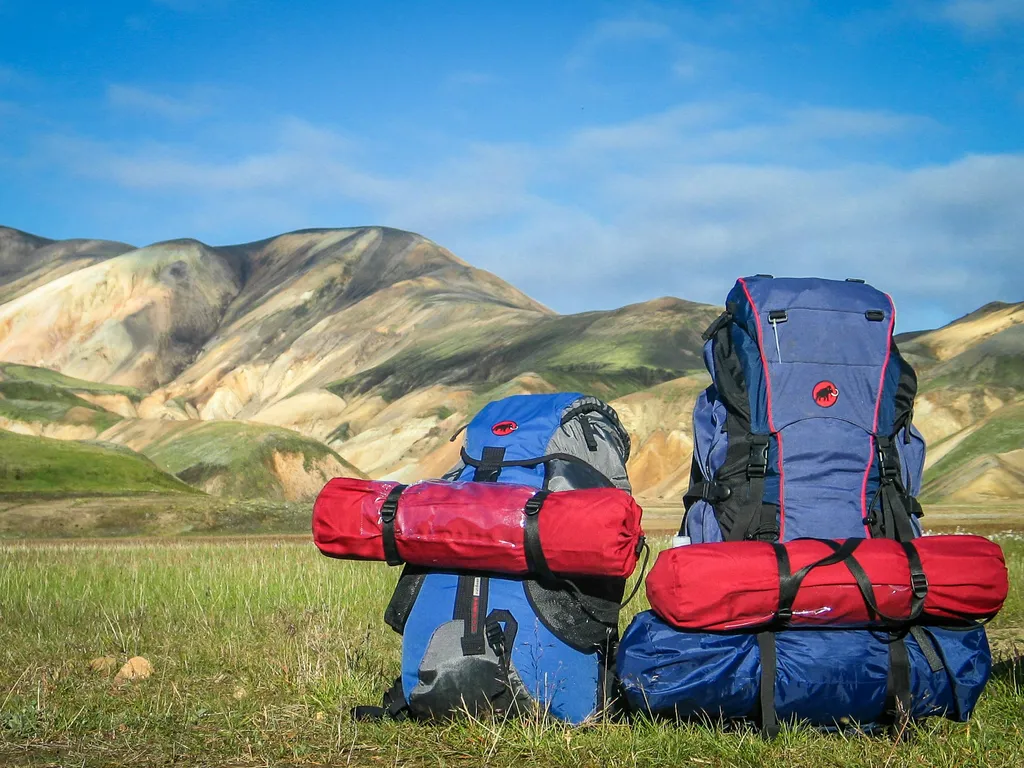
The short version: for a 6–8 day Kilimanjaro climb you need layered clothing for temperatures from tropical heat to well below freezing on summit night, broken-in boots, a warm sleeping bag, a headlamp, a daypack and a duffel for your porter. Bulky items you will only use once, such as the duffel, headlamp and balaclava, can be rented in Moshi instead of flown in.
Uhuru Peak is 5,895 m high. On the way you pass through farmland and rainforest, then moorland and alpine desert, and finally the arctic summit zone, where summit night temperatures are often below −10 °C with wind chill. Packing for Kilimanjaro means packing for all of these zones in one bag. The lists below come from what climbers actually ask us for at the rental counter in Moshi.
Bags
| Item | Why you need it | Bring or rent? |
|---|---|---|
| Duffel bag (70–100 L) | Carried by your porter between camps. Soft and waterproof is best. | Rent in Moshi |
| Daypack (25–35 L) | Water, snacks, rain gear and layers for each walking day. | Rent in Moshi |
| Dry bags / stuff sacks | Keeps clothes and sleeping bag dry inside the duffel. | Bring |
Clothing (layers)
| Item | Why you need it | Bring or rent? |
|---|---|---|
| Base layers (top and bottom) | Wicking layer worn every day; merino or synthetic, not cotton. | Bring |
| Fleece or mid-layer | Warmth at camp and on cold mornings. | Bring |
| Down or insulated jacket | Essential for summit night and evenings at high camps. | Bring |
| Waterproof jacket and trousers | Rain in the forest zone and wind higher up. | Bring |
| Trekking trousers and shirts | Lower slopes are warm and humid. | Bring |
| Balaclava | Face and neck protection against summit-night wind. | Rent in Moshi |
| Warm hat, sun hat, gloves and liner gloves | Cold at altitude, strong sun at the equator. | Bring |
Footwear
| Item | Why you need it | Bring or rent? |
|---|---|---|
| Hiking boots, broken in | Ankle support and warmth. Blisters are the most common avoidable problem. | Bring (rent only if needed) |
| Camp shoes | Lets boots dry and feet rest in the evening. | Bring |
| Gaiters | Keeps scree and dust out on the descent. | Bring |
| Hiking socks (4–5 pairs) | Wool or synthetic; one warm pair saved for summit night. | Bring |
Sleeping and camp
| Item | Why you need it | Bring or rent? |
|---|---|---|
| Sleeping bag rated to about −10 °C | Night temperatures at high camps fall well below freezing. | Bring or ask your operator |
| Sleeping mat | Most operators supply mattresses. Check before you pack one. | Operator supplies (we rent to operators) |
| Headlamp + spare batteries | Summit night starts around midnight and you walk by headlamp for hours. | Rent in Moshi |
Health, hygiene and small items
- Water bottles or hydration bladder (3 litres capacity in total). Bladder tubes can freeze on summit night, so carry an insulated bottle too.
- Sunscreen, lip balm with SPF and sunglasses (category 3 or 4).
- Personal first aid: blister plasters, painkillers, any prescribed altitude medication, rehydration salts.
- Wet wipes, hand sanitiser, toilet paper and a small towel.
- Power bank: there is no charging on most routes.
- Trekking poles: they save your knees on the descent. Bring your own (we don't stock poles yet).
What you can rent from us in Moshi
From our trekking gear range: duffel bags (11), daypacks (4), headlamps (8), balaclavas (40), boots (3 pairs, limited sizes) and binoculars for the safari after your climb. Reserve before you fly so they are waiting when you arrive.
Questions climbers ask
What gear can I rent in Moshi for Kilimanjaro?
At Moshi Super Rental Shop you can rent duffel bags, daypacks, headlamps, balaclavas, hiking boots (limited sizes) and binoculars. Operators can also rent group camping equipment. Sleeping bags, down jackets and trekking poles are not stocked, so bring them or ask your operator.
How heavy should my Kilimanjaro duffel be?
Kilimanjaro National Park limits how much each porter may carry, and most operators ask climbers to keep their duffel to about 15 kg. Check the exact limit with your operator before you pack.
Can I use plastic bags to keep gear dry?
Tanzania banned plastic carrier bags in 2019 and bags may be confiscated on arrival. Use dry bags or reusable stuff sacks instead.